


.png?width=128&height=84&name=image%20(25).png)

.png?width=22&height=16&name=image%20(25).png)


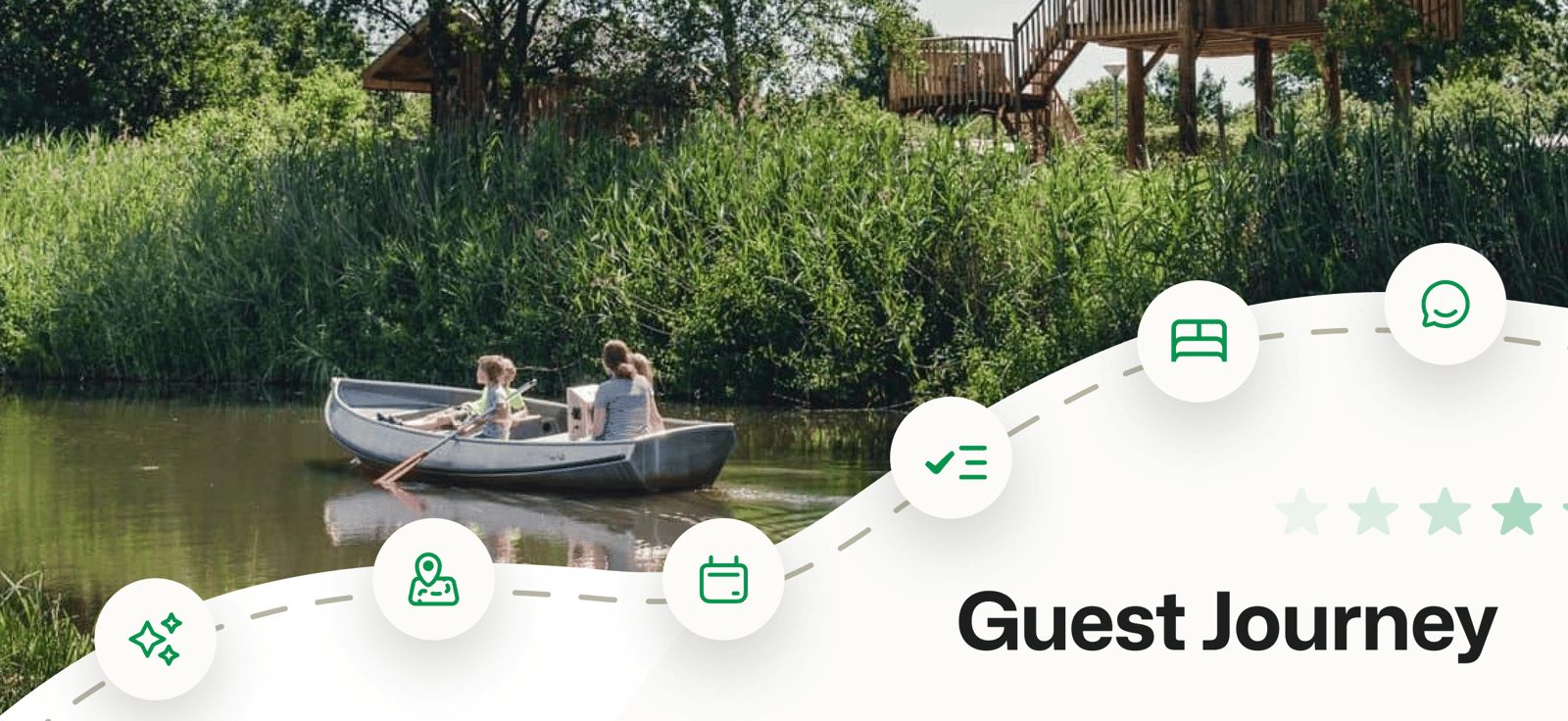
Booking a holiday rarely begins with opening a travel guide. It starts with a feeling—a sudden urge to get away, while relaxing on the sofa, scrolling through Instagram, or following a recommendation from friends. For you as a leisure entrepreneur, this is a valuable opportunity. By engaging with potential guests at that moment and at every subsequent touchpoint, you can increase both the likelihood of a booking and the chance of repeat visits.
But how do you achieve this? In this blog, we will guide you through the stages of the guest journey and provide practical tips on how to make a real impact.
Be visible when the desire arises
The guest journey begins long before anyone clicks “book.” In the first phase, inspiration, it is crucial to stand out without being intrusive. Think inspirational images on social media, themed campaigns that align with the season, or last-minute deals. Different markets have different booking habits. For instance, German guests often plan early, sometimes in winter for the summer, while Dutch guests tend to be more impulsive. A content calendar helps you respond strategically to these variations.
Use Booking Analytics to understand exactly who your target audience is, when they book, and through which channels. This tool provides insights into dynamic pricing, search and booking behaviour, guest segmentation, and the performance of your online marketing. For example, you can see whether young families from the Netherlands mainly book during the May half-term or if your wellness suites are popular with guests over 50 from Belgium. With these insights, you can tailor your content and campaigns precisely to what your audience is seeking, whether that is tranquillity, adventure, or child-friendly options. Combine this knowledge with visibility on OTAs such as Vipio or HomeToGo to ensure your availability reaches the right guests at the right time.
Build trust in the orientation phase
Recognition and trust are key when someone is exploring your park or campsite. Use real images, avoid perfect stock photos, and show realistic, atmospheric scenes where guests can imagine themselves: a family on the bouncy castle, a couple around a campfire, or a dog by the lake.
Highlight clear USPs on your website, such as private bathrooms, child-friendly facilities, wellness options, or sustainability. Make it easy for guests to search and filter using an effective Search & Book module. Let them narrow down options by what matters most, from pet-friendly spaces to waterfront locations. Adding a sense of urgency, for example “Only 2 available in July,” can also help encourage bookings.
Make booking frictionless
There is nothing more frustrating for a guest than being ready to book and then getting lost in confusion. At the booking stage, everything has to be clear. Prices should be transparent, no hidden extras, and the steps should be logical. Extras like breakfast or towel packages are fine, but only add them after the main booking. Keep the process as simple as possible.
Use insights from your reservation system to identify where guests are dropping out. Even a small tweak can make a big difference. With an automatic reminder, such as a friendly email saying “You almost forgot your booking,” you can still recover a missed opportunity.
Exceed expectations during the stay
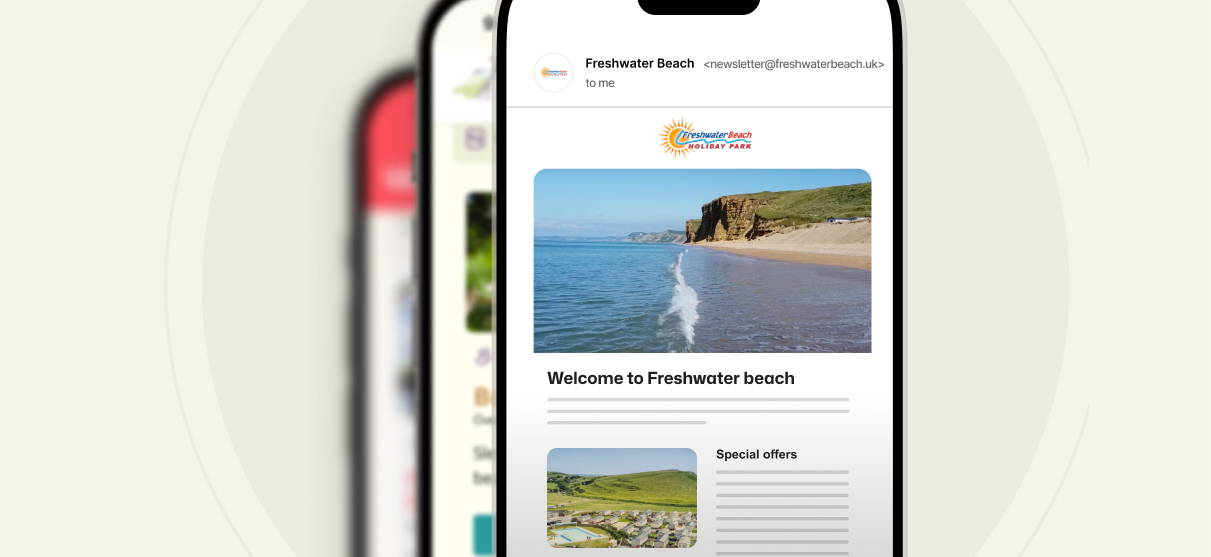
This is the stage where you deliver on your promises and can really stand out with small, clever touches. Before arrival, automatically send an email with practical information and local tips. Make it easy for guests to arrange extras through the My Environment portal, from breakfast to a late check-out.
Use apps like Camping Comfort or Wema to quickly respond to questions or offer upsells during the stay. Midway through their visit, send a short message such as “Are you enjoying your stay so far?” This allows you to resolve any issues before they result in a negative review.
Build loyalty after departure
After your guests leave, another important opportunity arises: turning a satisfied visitor into a returning guest. Request a review three to seven days after their return, keeping it simple with one clear question rather than a long form. Incorporate positive reviews into your marketing and tag returning guests in your system.
Use these tags to segment your audience effectively. Send loyal guests a personalised offer or a heads-up about a new promotion. You can also use retargeting to reach them again just as the desire for a new holiday emerges, exactly when they are open to making another booking.
From single booking to lasting relationship
A successful guest journey does not happen by accident. It requires attention at every stage, from the first scroll to the final email. With smart tools, engaging content, and automation, you can support the entire journey. The result is more than just higher occupancy: it creates a smoother operation and guests who are eager to return.
Wondering how you can optimise the guest journey for your park? Contact us to explore the possibilities with one of our specialists.